Why Property Owners Are Prioritizing Insurance Inspections in 2026
By Full Circle backlinks
4 Views
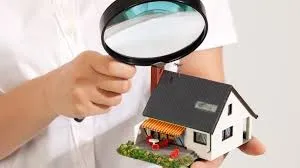
Homeownership in 2026 comes with growing responsibilities. Rising insurance requirements, aging properties, and severe weather conditions have increased the need for detailed property evaluations. Buyers, sellers, and homeowners are all looking for ways to protect their investments while avoiding unexpected expenses and delays.
One of the most important evaluations in today’s market is the four point home inspection. This specialized inspection focuses on the major systems that insurance companies consider most critical when evaluating a property’s condition and risk level.
The Changing Insurance Landscape
Insurance providers have become more cautious in recent years. Due to increasing claims and environmental risks, many companies now require detailed documentation before approving or renewing coverage.
Older homes are especially affected because aging systems can create safety concerns and increase the likelihood of damage. As a result, inspections have become a standard part of the insurance process for many homeowners.
In 2026, proper documentation is essential for maintaining affordable coverage and avoiding delays during real estate transactions.
What a Four-Point Inspection Covers
Unlike a full property inspection, this evaluation focuses specifically on four major systems that have the greatest impact on safety and insurance eligibility.
The inspection typically reviews:
- Roofing systems and overall condition
- Electrical panels and wiring
- Plumbing systems and materials
- Heating and cooling equipment
A professional four point home inspection helps determine whether these systems are functioning properly and meet acceptable standards for insurance providers.
Why This Inspection Matters More in 2026
Modern homes contain increasingly complex systems, while many older properties still rely on outdated materials or aging equipment. Even if a home appears well-maintained, hidden issues within these critical systems can create major concerns.
Inspections help identify:
- Aging or unsafe electrical systems
- Plumbing leaks or corrosion
- Roof deterioration or storm damage
- HVAC performance issues
Detecting these problems early allows homeowners to make repairs before they lead to larger financial or safety risks.
Benefits for Homeowners
Property owners who complete inspections before applying for insurance often experience a smoother process overall. Understanding the condition of major systems helps reduce uncertainty and provides time to address concerns proactively.
A detailed four point home inspection can help homeowners:
- Prepare for insurance requirements
- Reduce the risk of denied coverage
- Plan necessary upgrades
- Improve long-term property maintenance
Taking preventive action is always more cost-effective than dealing with emergency repairs or insurance complications later.
Why Buyers Are Paying More Attention
Homebuyers in 2026 are becoming more informed about insurance-related challenges. Purchasing a home without understanding the condition of major systems can lead to unexpected repair expenses and difficulties obtaining coverage.
Inspection reports provide buyers with valuable information before closing, helping them make smarter financial decisions and avoid unpleasant surprises after moving in.
The Role of Inspections in Real Estate Transactions
Insurance-related delays are becoming more common in modern real estate transactions. If major systems fail to meet acceptable standards, closings may be delayed until repairs are completed.
This is why many buyers and sellers now schedule inspections early in the process. Addressing issues ahead of time helps create smoother transactions and reduces last-minute negotiations.
Technology Is Improving Inspection Accuracy
Inspection methods have advanced significantly in recent years. Modern tools and digital reporting systems now provide more organized and detailed evaluations.
Reports often include:
- High-resolution images
- Clear summaries of findings
- Recommendations for repairs or upgrades
- Easy digital access for sharing
These improvements make it easier for homeowners, buyers, and insurance providers to review property conditions efficiently.
Financial Advantages of Preventive Evaluations
Although inspections require an upfront investment, they often prevent much larger expenses in the future. Small issues discovered early are usually easier and less expensive to repair.
Homeowners can benefit financially by:
- Avoiding emergency repair costs
- Maintaining insurance eligibility
- Protecting property value
- Preventing system failures
A proactive approach helps reduce long-term ownership expenses and improves overall property performance.
Building Trust and Transparency
Transparency has become increasingly important in both insurance and real estate industries. Buyers, insurers, and lenders all want accurate information about a property’s condition before making decisions.
Providing inspection documentation demonstrates responsibility and preparedness. Properties with updated reports often move through transactions more smoothly and with fewer complications.
A reliable four point home inspection gives all parties greater confidence in the property’s condition.
Long-Term Property Protection
Inspection reports are useful long after the initial evaluation is complete. Homeowners can use them as maintenance references to monitor aging systems and plan future improvements.
Regular evaluations also help ensure that important systems continue operating safely and efficiently over time.
The Future of Insurance Inspections in 2026
As environmental conditions and insurance standards continue to evolve, inspections will remain a critical part of responsible homeownership. Buyers and homeowners are becoming more proactive about understanding property conditions before problems arise.
In 2026, a professional four point home inspection is one of the smartest ways to protect a property, improve insurance readiness, and reduce long-term financial risk.
Conclusion
Owning a home involves more than maintaining appearances. The condition of major systems plays a significant role in safety, insurance approval, and long-term property value.
By investing in professional inspections, homeowners can make informed decisions, avoid costly surprises, and ensure their property remains secure and well-maintained for years to come.