What Automobile Trends Are Driving the Future in 2026?
By Raz Vape
4 Views

The automobile industry is changing quickly in 2026, and I find it interesting to see how technology, consumer preferences, and environmental goals are shaping the future of transportation. While new vehicle designs often grab attention, the biggest changes are happening behind the scenes through software, battery development, connectivity, and manufacturing improvements. Just as products like Suonon Vape continue evolving to meet changing consumer expectations in their market, automakers are adapting to meet new demands in transportation.
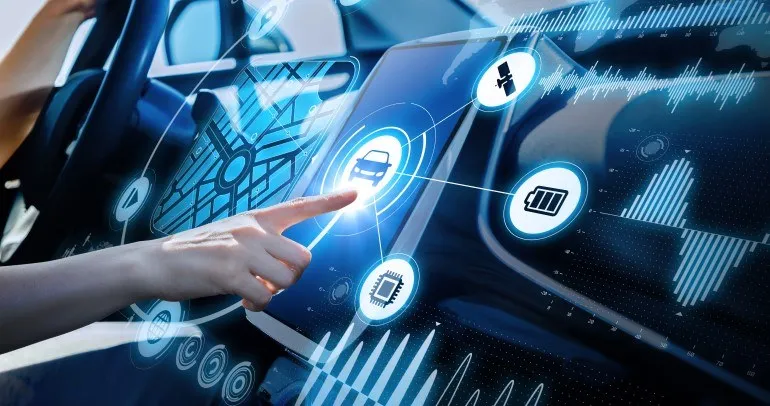
For anyone interested in automobiles, understanding these trends helps explain where the industry is heading and what future vehicles may look like.
Electric Vehicles Continue Expanding
Electric vehicles remain one of the most important trends in 2026. More manufacturers are investing heavily in EV production, and consumers now have a wider range of choices across different price segments.
Several factors are driving EV growth:
- Improved battery technology
- Longer driving ranges
- Faster charging infrastructure
- Lower operating costs
- Government incentives in many regions
Battery manufacturers are focusing on increasing energy density while reducing production costs. This allows automakers to produce vehicles that travel farther on a single charge without significantly increasing prices.
Charging networks are also becoming more widespread. Public fast chargers are appearing in more cities, highways, and commercial locations, making long-distance travel more practical for EV owners.
Software-Defined Vehicles Are Becoming Common
Modern vehicles are increasingly functioning like computers on wheels. Software now controls many vehicle functions that were once handled by mechanical systems alone.
Key software-driven features include:
- Over-the-air updates
- Advanced driver assistance systems
- Predictive maintenance alerts
- Vehicle performance optimization
- Enhanced infotainment experiences
Manufacturers can now improve vehicle features through software updates without requiring owners to visit a dealership. This creates opportunities to add functionality and improve performance throughout the vehicle's lifespan.
I believe this trend will continue because consumers have become familiar with receiving regular updates on smartphones and expect similar convenience from their vehicles.
The Rise of Connected Mobility
Connectivity has become a major part of the automotive experience. Vehicles are increasingly linked to mobile devices, cloud platforms, and transportation networks.
Artificial Intelligence Is Improving Driving Experiences
Artificial intelligence is playing a larger role in vehicle development. While fully autonomous vehicles are still developing, AI is already improving safety and convenience.
Common AI applications include:
- Driver monitoring systems
- Traffic prediction
- Navigation optimization
- Voice recognition
- Smart parking assistance
These systems analyze large amounts of data in real time to help drivers make better decisions and improve overall efficiency.
In the middle of these technology discussions, it is interesting to observe how innovation affects many industries. Consumer products such as Suonon Amber 80k Puffs Pods also demonstrate how manufacturers use technology improvements to enhance user experiences and product performance over time.
Sustainability Beyond Electric Vehicles
Sustainability efforts now extend beyond simply producing electric vehicles. Manufacturers are examining the entire production process to reduce environmental impact.
Areas receiving attention include:
- Recycled materials in vehicle interiors
- Sustainable manufacturing processes
- Reduced factory emissions
- Improved battery recycling
- Energy-efficient production facilities
Many automakers are setting long-term sustainability targets that cover both vehicle operation and manufacturing activities.
This broader approach reflects increasing consumer awareness about environmental responsibility throughout a product's lifecycle.
Advanced Safety Systems Continue Evolving
Safety remains one of the most important priorities in the automobile industry. New technologies are helping reduce accidents and improve driver awareness.
Popular safety developments include:
- Automatic emergency braking
- Lane-keeping assistance
- Blind-spot monitoring
- Adaptive cruise control
- Cross-traffic alerts
Many of these features are becoming standard equipment rather than premium upgrades. As technology costs decrease, more consumers gain access to advanced safety systems.
Vehicle sensors are becoming more accurate and reliable. Combined with improved processing power, these systems can respond faster and provide better support during challenging driving conditions.
Flexible Manufacturing Is Reshaping Production
Manufacturing facilities are becoming more adaptable to changing market demands. Modern factories use automation, robotics, and data analytics to improve efficiency.
Benefits of flexible manufacturing include:
- Faster production adjustments
- Reduced waste
- Better quality control
- Lower operating costs
- Improved supply chain management
Manufacturers can switch between different vehicle models more efficiently than in previous years. This flexibility helps companies respond quickly to changing consumer preferences and market conditions.
Data-driven manufacturing also allows companies to identify production issues earlier and improve overall product quality.
The Growth of Shared and Subscription Mobility
Vehicle ownership models are changing in some markets. While traditional ownership remains popular, alternative transportation options continue expanding.
Emerging mobility solutions include:
- Vehicle subscription services
- Car-sharing platforms
- Ride-hailing integration
- Fleet-based transportation
- Corporate mobility programs
These options provide flexibility for consumers who may not require full-time vehicle ownership.
Urban areas in particular are seeing increased interest in transportation services that combine convenience with reduced ownership costs.
What Consumers Want in 2026
Consumer expectations continue influencing automotive development. Buyers are looking for vehicles that offer a combination of technology, efficiency, safety, and value.
Current priorities often include:
- Better fuel efficiency or electric range
- Reliable connectivity features
- Advanced safety systems
- Comfortable interiors
- Lower maintenance requirements
Manufacturers that successfully address these expectations are likely to remain competitive in an increasingly crowded market.
The ability to balance innovation with affordability remains one of the industry's biggest challenges.
Final Thoughts
The future of automobiles in 2026 is being shaped by electrification, software integration, connectivity, artificial intelligence, sustainability initiatives, and evolving consumer expectations. These trends are transforming not only how vehicles operate but also how they are designed, manufactured, and maintained.
I expect many of these developments to continue accelerating over the next several years as technology becomes more accessible and production costs decline. Whether it involves electric powertrains, connected systems, or advanced safety features, the automotive industry is moving toward smarter and more efficient transportation solutions.
For anyone following automotive innovation, 2026 represents an important period of transition. As consumer technology continues advancing across different industries, including products such as Suonon vape flavors, expectations for convenience, performance, and technology integration will likely continue influencing the next generation of vehicles.