Top Trends in Aerospace Parts CNC Machining Manufacturing Industry
By imathewjaxson
1 Views
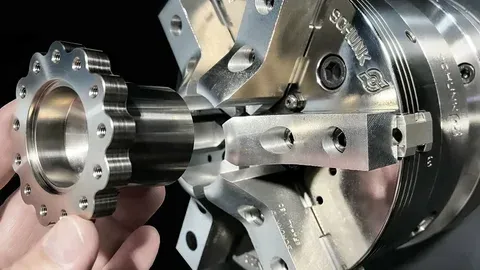
The aerospace sector is evolving rapidly, and so is the demand for higher precision, efficiency, and innovation in production processes. At the center of this transformation is aerospace parts CNC machining manufacturing, which plays a critical role in producing complex, high-tolerance components used in aircraft, spacecraft, and defense systems. As technology advances, new trends are reshaping how manufacturers operate and compete globally.
Below are the top trends shaping the future of this industry.
Artificial Intelligence and Automation in CNC Machining
The integration of AI and automation is revolutionizing aerospace parts CNC machining manufacturing by improving accuracy, reducing human error, and increasing production speed. AI-powered systems can now analyze machining data in real time, predict tool wear, and automatically adjust machine parameters for optimal performance.
Automation, including robotic arms and automated tool changers, is also enhancing productivity in aerospace workshops. This reduces downtime and allows continuous production cycles, which are essential for meeting strict aerospace deadlines.
Key developments include:
- AI-driven predictive maintenance for CNC machines
- Automated toolpath optimization for higher precision
- Robotics-assisted material handling and loading
- Real-time production monitoring systems
These innovations are making CNC machining smarter, faster, and more reliable than ever before.
Use of Advanced Materials in Aerospace Manufacturing
Modern aerospace engineering relies heavily on lightweight yet durable materials such as titanium alloys, Inconel, carbon fiber composites, and aluminum-lithium blends. These materials improve fuel efficiency and structural performance but are extremely difficult to machine.
In aerospace parts CNC machining manufacturing, advanced cutting tools and high-performance machining strategies are required to handle these materials without compromising accuracy or structural integrity. Manufacturers are investing in specialized coatings and high-speed spindles to manage heat and wear during machining.
Key developments include:
- Increased use of titanium and heat-resistant superalloys
- Development of specialized carbide and diamond-coated tools
- High-speed machining techniques for composite materials
- Reduced material waste through precision cutting
This trend is pushing CNC technology to its limits, demanding higher expertise and innovation from manufacturers.
Rise of Multi-Axis and Ultra-Precision Machining
The demand for highly complex aerospace components has led to the widespread adoption of 5-axis and even 7-axis CNC machines. These machines allow manufacturers to produce intricate geometries in a single setup, significantly improving accuracy and reducing production time.
In aerospace parts CNC machining manufacturing, ultra-precision machining ensures that even the smallest components meet strict aerospace tolerances. This is especially critical for engine parts, turbine blades, and structural assemblies where precision directly impacts safety and performance.
Key developments include:
- Widespread use of 5-axis CNC machining systems
- Single-setup machining for complex aerospace parts
- Micro-level precision for critical engine components
- Reduced assembly errors through integrated machining processes
This advancement is helping manufacturers achieve higher efficiency while maintaining exceptional quality standards.
Smart Factories and IoT-Enabled Manufacturing
The concept of smart factories is becoming a major trend in aerospace parts CNC machining manufacturing, where machines, systems, and software are interconnected through the Internet of Things (IoT). This allows real-time data exchange and complete visibility across the production line.
IoT sensors embedded in CNC machines can track performance metrics such as temperature, vibration, and tool condition. This data is then analyzed to improve efficiency, reduce downtime, and enhance product quality. Smart factories also enable remote monitoring and control of machining operations.
Key developments include:
- IoT-enabled CNC machines for real-time monitoring
- Cloud-based manufacturing data analytics
- Digital twins for process simulation and optimization
- Predictive analytics for maintenance and quality control
These technologies are transforming traditional machining facilities into intelligent, data-driven production ecosystems.
Sustainability and Green Manufacturing Practices
Sustainability is becoming a key focus in modern aerospace parts CNC machining manufacturing as companies aim to reduce environmental impact while maintaining production efficiency. Manufacturers are adopting eco-friendly practices to minimize waste, energy consumption, and carbon emissions.
Green manufacturing also involves optimizing machining processes to reduce material waste and improve energy efficiency. Recycling metal chips, using biodegradable coolants, and implementing energy-efficient CNC machines are becoming standard practices in the aerospace industry.
Key developments include:
- Recycling and reuse of metal machining waste
- Energy-efficient CNC machine operations
- Use of eco-friendly lubricants and coolants
- Lean manufacturing to reduce material waste
This shift toward sustainability not only benefits the environment but also reduces long-term production costs.
Conclusion
The aerospace industry is undergoing a major transformation driven by technology, innovation, and sustainability. From AI-powered automation to smart factories and advanced material processing, aerospace parts CNC machining manufacturing is becoming more precise, efficient, and environmentally responsible.
As these trends continue to evolve, manufacturers who adopt modern CNC technologies will gain a competitive advantage in delivering high-quality, reliable, and cost-effective aerospace components. The future of aerospace machining lies in smarter systems, greener processes, and unmatched precision engineering.