Top Benefits of Electronics CNC Machining in Modern Manufacturing
By imathewjaxson
1 Views
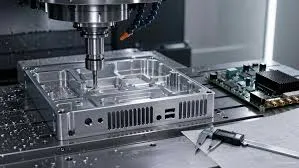
Modern manufacturing has undergone a major transformation with the integration of advanced technologies that improve efficiency, precision, and scalability. Among these innovations, electronics cnc machining has become one of the most essential processes for producing high-quality electronic components. From smartphones and medical devices to industrial control systems and automotive electronics, this manufacturing technique ensures exceptional accuracy and reliability.
The growing demand for smaller, smarter, and more efficient electronic devices has pushed manufacturers to adopt solutions that can deliver consistency while meeting tight tolerances. Electronics cnc machining stands out because it enables manufacturers to create intricate parts with superior precision, reduced waste, and faster turnaround times. In this article, we explore the top benefits of this technology in modern manufacturing.
Precision and Accuracy in Component Production
One of the most significant advantages of electronics cnc machining is its ability to produce components with unmatched precision. Electronic devices often require parts with extremely tight tolerances, sometimes within microns, to ensure seamless assembly and optimal functionality. CNC machining uses computer-controlled tools to execute exact designs, minimizing errors and ensuring every part meets the required specifications.
This high level of precision is especially critical in industries like aerospace, telecommunications, and medical electronics, where even the slightest deviation can compromise performance. By using electronics cnc machining, manufacturers can consistently achieve the exact dimensions needed for connectors, circuit board enclosures, heat sinks, and other critical components.
The repeatability of CNC systems also ensures that each batch of products is identical to the previous one. This consistency helps manufacturers maintain quality standards and reduces the risk of defective products entering the market.
Key advantages of precision machining include:
- Accurate production of complex electronic components
- Tight tolerance control
- Reduced assembly errors
- Improved product reliability
- Enhanced performance consistency
Faster Production and Improved Efficiency
In today’s competitive manufacturing landscape, speed is essential. Electronics cnc machining significantly improves production timelines by automating complex processes that would otherwise require manual intervention. Once a design is programmed into the CNC machine, it can continuously produce parts with minimal supervision.
This automation reduces setup times and eliminates the delays associated with traditional manufacturing methods. Manufacturers can quickly switch between designs by updating digital files, making it easier to adapt to changing production requirements.
Another major advantage is the reduction of human error. Since the machine follows pre-programmed instructions, the chances of inconsistencies are greatly minimized. This leads to fewer rejected parts and less downtime, allowing manufacturers to maximize output.
Additionally, CNC machines can operate continuously for extended periods, enabling high-volume production without sacrificing quality. This makes electronics cnc machining ideal for companies that need to meet large-scale production demands efficiently.
Enhanced Design Flexibility and Complexity
The electronics industry is constantly evolving, with products becoming smaller, more compact, and increasingly sophisticated. Traditional manufacturing methods often struggle to produce the intricate designs required for modern electronic components. This is where electronics cnc machining excels.
CNC machining allows manufacturers to create highly detailed and complex geometries that would be difficult or impossible to achieve manually. This flexibility supports innovation by enabling engineers to experiment with advanced designs and create customized solutions for specific applications.
For example, precision-machined heat sinks, miniature enclosures, and custom connectors require detailed shaping and exact measurements. Electronics cnc machining provides the ability to manufacture these components efficiently while maintaining structural integrity.
The use of CAD (Computer-Aided Design) software further enhances design possibilities. Engineers can create and modify digital prototypes quickly, test designs virtually, and send them directly to CNC machines for production.
Design flexibility benefits include:
- Production of intricate component shapes
- Easy design modifications
- Support for custom manufacturing
- Better compatibility with miniaturized devices
- Faster prototyping and testing
Cost-Effectiveness and Reduced Material Waste
Although CNC machines require an initial investment, they offer substantial long-term cost savings. Electronics cnc machining optimizes material usage through precise cutting paths and accurate measurements, significantly reducing waste.
In industries where expensive materials such as aluminum, copper, and specialized alloys are commonly used, minimizing waste can lead to major cost reductions. CNC software calculates the most efficient machining path, ensuring maximum utilization of raw materials.
Labor costs are also reduced because fewer operators are needed to oversee production. A single technician can monitor multiple machines, increasing productivity while lowering staffing requirements.
Moreover, the high accuracy of CNC machining reduces the likelihood of defective parts. Fewer errors mean less rework and fewer discarded materials, further contributing to cost efficiency.
The durability and reliability of CNC-machined parts also lower maintenance and replacement costs for end users, adding additional value to manufacturers and customers alike.
Superior Quality and Reliability
Quality is a critical factor in electronics manufacturing, where component failure can lead to product malfunction or safety issues. Electronics cnc machining ensures superior quality by delivering consistent, repeatable results.
The automated nature of CNC machining eliminates many of the variables associated with manual production. Every cut, drill, and contour is executed precisely according to programmed instructions, resulting in highly dependable components.
This reliability is particularly important for products used in demanding environments such as automotive systems, industrial automation, and healthcare equipment. Components manufactured through electronics cnc machining are built to withstand thermal stress, vibration, and continuous operation.
In addition, CNC machining supports strict quality control processes. Manufacturers can inspect and verify dimensions at every stage of production, ensuring compliance with industry standards.
Quality benefits include:
- Consistent product performance
- Lower defect rates
- Better durability
- Enhanced safety standards
- Improved customer satisfaction
Scalability for Modern Manufacturing Demands
As businesses grow, their manufacturing processes must scale efficiently. Electronics cnc machining offers exceptional scalability, making it suitable for both small prototype runs and large-scale production.
For startups and product developers, CNC machining enables rapid prototyping and small-batch manufacturing without requiring expensive tooling changes. This flexibility allows companies to test products and refine designs before mass production.
For established manufacturers, CNC systems support large production volumes with consistent quality. Multiple machines can be programmed to produce identical components simultaneously, significantly increasing output capacity.
This scalability is particularly valuable in industries with fluctuating demand, where production schedules may need to be adjusted quickly. Electronics cnc machining allows manufacturers to respond rapidly to market changes while maintaining efficiency and quality.
Conclusion
The role of electronics cnc machining in modern manufacturing continues to expand as industries demand higher precision, faster production, and greater flexibility. Its ability to produce complex components with exceptional accuracy makes it an indispensable technology for electronics manufacturers worldwide.
From reducing material waste and lowering costs to improving reliability and enabling innovation, the benefits of electronics cnc machining are undeniable. As electronic devices become more advanced and compact, manufacturers that embrace this technology will be better positioned to stay competitive, deliver superior products, and meet the evolving needs of the global market.