Sulfur Powder Uses and Effectiveness for Industrial Needs
By sulfur-id
15 Views
Understanding Sulfur Powder and Its Industrial Value
Sulfur Powder is one of the most widely used raw materials across multiple industries. Known for its bright yellow color and strong chemical properties, sulfur has been an essential industrial element for centuries. Today, powdered sulfur is processed into fine particles that make it easier to transport, mix, and apply in commercial and industrial settings.
Industries choose sulfur powder because it is versatile, cost-effective, and chemically active. It plays a critical role in manufacturing, construction materials, agriculture, water treatment, and household applications. Whether used as a raw ingredient or a treatment compound, sulfur remains highly relevant in modern industrial supply chains.
For businesses in building materials, manufacturing, and home product development, understanding the practical uses and effectiveness of sulfur powder can help improve product performance while reducing operational costs.
What Is Sulfur Powder?
Sulfur powder is made by refining elemental sulfur into a finely ground form. The particle size can vary depending on the intended application, from coarse industrial grades to ultra-fine powders for specialized formulations.
Its physical and chemical characteristics make it valuable for industrial use:
- High chemical reactivity
- Good thermal stability
- Natural fungicidal and antibacterial properties
- Easy blending with other compounds
- Long shelf life when stored correctly
Because of these properties, sulfur powder is used as both an active ingredient and a supporting material in industrial processes.
Sulfur Powder in Construction and Building Materials
The construction sector increasingly relies on sulfur-based materials for durability and chemical resistance.
Sulfur Concrete Production
One of the most important uses of Sulfur Powder in construction is sulfur concrete. In this application, sulfur acts as a binder instead of traditional cement.
Benefits of sulfur concrete include:
- Fast curing time
- High compressive strength
- Excellent resistance to acids and salts
- Reduced water absorption
This makes sulfur concrete suitable for industrial flooring, drainage systems, wastewater infrastructure, and chemical storage facilities.
Compared with conventional cement-based materials, sulfur-modified concrete can offer faster installation and lower maintenance in chemically aggressive environments.
Asphalt and Road Applications
Sulfur powder is also used as an additive in asphalt mixtures. It improves hardness and reduces the amount of bitumen required.
Advantages include:
- Better load resistance
- Improved temperature stability
- Lower material costs
- Enhanced pavement durability
For road contractors and infrastructure developers, sulfur-enhanced asphalt can be a practical way to improve road longevity.
Sulfur Powder for Industrial Manufacturing
Manufacturing industries depend heavily on sulfur as a feedstock and process material.
Rubber Vulcanization
In rubber production, sulfur powder is essential for vulcanization. This process creates chemical cross-links between polymer chains, improving elasticity and durability.
Sulfur-vulcanized rubber offers:
- Increased tensile strength
- Better abrasion resistance
- Improved flexibility
- Greater heat tolerance
This is especially important in the production of tires, industrial seals, belts, gaskets, and footwear components.
Chemical Production
Sulfur powder is a primary raw material in the manufacture of sulfuric acid, one of the most important industrial chemicals worldwide.
Sulfuric acid is used in:
- Fertilizer manufacturing
- Metal processing
- Battery production
- Water treatment chemicals
- Petroleum refining
Without sulfur, many large-scale industrial supply chains would face serious disruption.
Sulfur Powder for Home and Household Applications
Beyond industrial facilities, Sulfur Powder also has practical home-related uses.
Pest and Fungus Control
Sulfur has long been recognized for its antifungal and pest-repelling properties.
Common uses include:
- Mold prevention in damp areas
- Garden disease control
- Pest management in storage spaces
When used correctly, sulfur powder can help reduce mildew, fungi, and certain insects around homes and gardens.
Odor and Moisture Management
Certain sulfur-based compounds are incorporated into moisture control and odor management products.
Applications include:
- Basement treatment products
- Drainage odor solutions
- Storage preservation products
Its antimicrobial properties contribute to improved sanitation in enclosed environments.
Sulfur Powder in Water and Waste Treatment
Water treatment is another critical industrial use.
Sulfur compounds derived from powdered sulfur are used in systems designed to remove contaminants and balance chemical conditions.
Benefits in treatment systems include:
- Heavy metal precipitation
- pH regulation support
- Reduction of harmful contaminants
Industrial wastewater plants often incorporate sulfur-based chemicals to improve compliance with environmental regulations.
For municipalities and industrial operators, sulfur contributes to more efficient treatment workflows.
Why Industries Choose Sulfur Powder
There are several reasons sulfur powder remains in high demand.
Cost Efficiency
Sulfur is relatively abundant and affordable compared with specialized synthetic alternatives. This helps businesses maintain cost-effective production.
Multi-Industry Compatibility
A single sulfur powder product can often serve multiple sectors, including:
- Construction
- Agriculture
- Chemical manufacturing
- Rubber processing
- Household product manufacturing
This flexibility makes sourcing and inventory management easier.
Performance Reliability
Sulfur consistently delivers strong results in high-demand industrial settings. Its predictable chemical behavior supports reliable manufacturing outcomes.
Storage and Handling Best Practices
Although sulfur powder is highly effective, proper handling is important.
Recommended storage guidelines include:
- Keep in dry, ventilated environments
- Avoid direct ignition sources
- Use sealed packaging to prevent contamination
- Follow workplace dust management procedures
Industrial buyers should source sulfur powder from reliable suppliers that maintain quality standards and consistent particle sizing.
Product consistency matters, especially in manufacturing processes where chemical precision affects output quality.
Choosing High-Quality Sulfur Powder Products
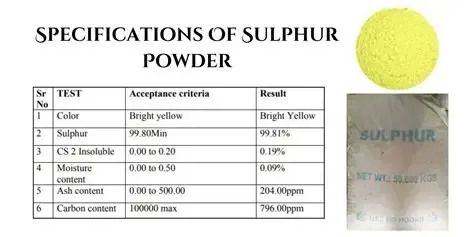
Not all sulfur powder products are equal. Buyers should evaluate suppliers based on:
- Purity percentage
- Particle size consistency
- Packaging quality
- Bulk supply capability
- Technical support and documentation
For professional applications, high-purity sulfur powder often provides better blending performance and fewer impurities during processing.
A dependable supplier can also help businesses choose the correct grade for construction, manufacturing, or home product formulations.
Final Thoughts
Sulfur Powder remains a highly effective material for industrial needs because of its versatility, affordability, and strong chemical performance. From sulfur concrete and asphalt improvement to rubber vulcanization, chemical production, and household applications, its uses continue to expand across sectors.
For businesses involved in building materials, manufacturing, and home solutions, sulfur powder offers practical advantages that support durability, efficiency, and long-term value.
As industrial demand grows for reliable and multifunctional raw materials, sulfur powder continues to prove its importance as a foundational product in modern production systems.