Maintenance and Performance Optimization of GE Regulator Boards
By George Philips
3 Views
Introduction
In modern turbine control systems, regulator boards are essential for maintaining stable electrical performance and ensuring reliable operation. General Electric (GE) regulator boards are widely used in gas and steam turbines, where precise control of voltage and signals is critical. Effective maintenance and performance optimization of these boards not only enhance turbine efficiency but also reduce downtime and operational risks.
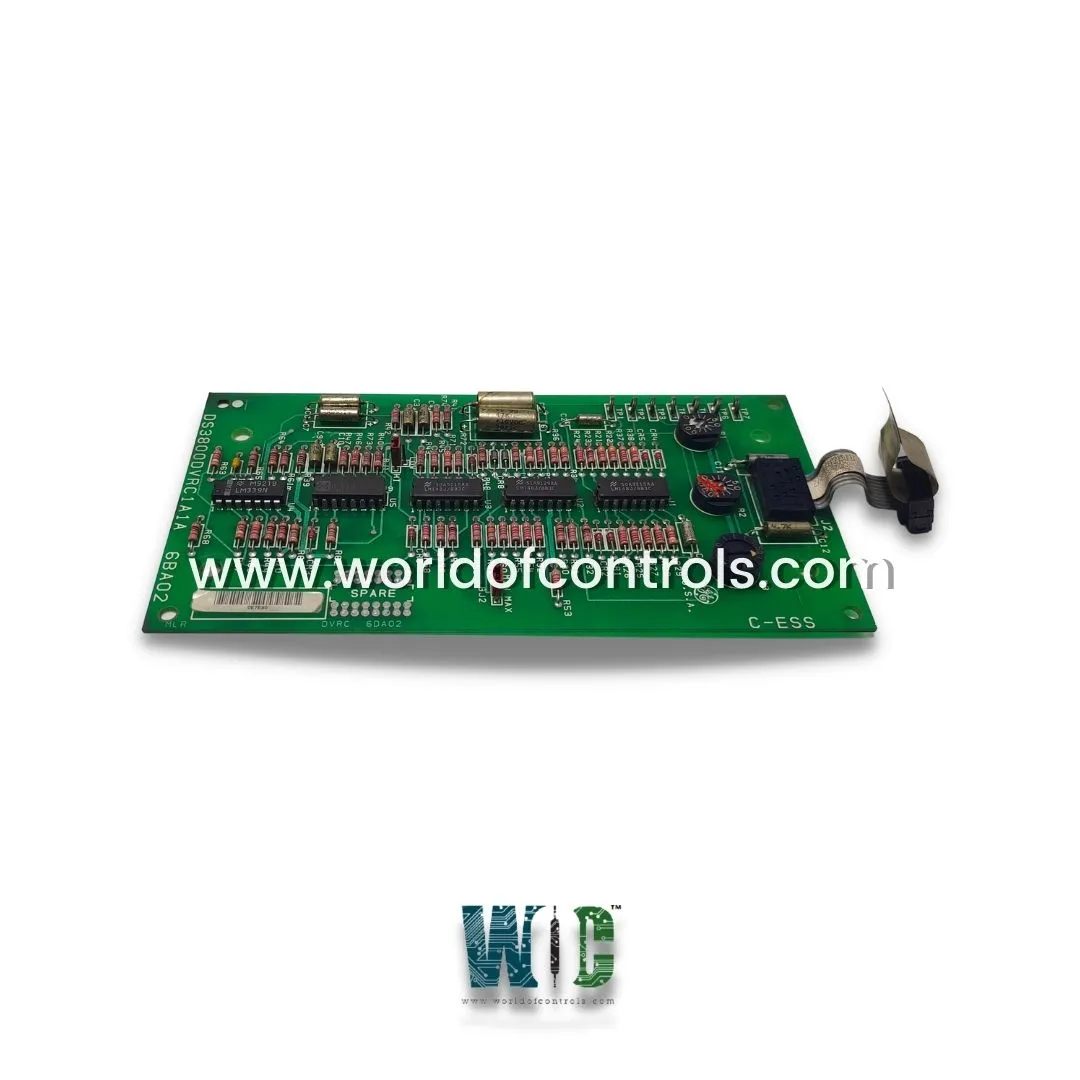
Understanding GE Regulator Boards in Turbine Systems
GE regulator boards function as key elements within turbine control systems, handling voltage regulation, signal conditioning, and system feedback. These boards help maintain consistent operating conditions by processing inputs from sensors and adjusting outputs accordingly.
In turbine applications, even minor electrical fluctuations can affect performance or lead to system instability. Regulator boards act as a safeguard, ensuring that all electrical parameters remain within safe and efficient limits. Their role is particularly important in industries such as power generation, oil and gas, and heavy manufacturing.
Role of Regulator Boards in the Turbine Industry
Within the turbine industry, GE regulator boards are typically integrated into control systems such as the Mark IV series. These boards are designed to operate in high-demand environments, where reliability and precision are non-negotiable.
They continuously monitor system inputs—such as voltage levels, temperature signals, and load conditions—and adjust outputs to maintain balance. This real-time regulation ensures smooth turbine operation, prevents damage to critical components, and supports optimal energy output.
Because turbines often operate continuously for long periods, regulator boards must be highly durable and capable of performing under stress. Their design reflects the need for long-term reliability in industrial settings.
Common Maintenance Practices
Routine Inspection
Regular inspections are crucial for identifying early signs of wear or damage. Technicians should look for discoloration, burnt components, or loose connections that may indicate underlying issues.
Cleaning and Environmental Control
Dust, moisture, and contaminants can negatively affect circuit board performance. Maintaining a clean control environment and ensuring proper ventilation helps prevent overheating and electrical faults.
Connection and Solder Joint Checks
Secure electrical connections are essential for consistent performance. Periodic checks of connectors and solder joints help prevent signal interruptions and system instability.
Configuration Verification
Ensuring that the regulator board is correctly configured within the control system helps maintain compatibility and prevents operational errors.
Performance Optimization Strategies
Calibration and Testing
Routine calibration ensures that the regulator board responds accurately to system inputs. Testing under controlled conditions can help detect deviations before they impact turbine performance.
Load Management
Operating the turbine within its recommended load range reduces stress on regulator boards and enhances their lifespan. Balanced loads contribute to overall system stability.
Component Replacement
Over time, electronic components such as capacitors may degrade. Replacing aging components proactively can restore performance and reduce the risk of unexpected failures.
System Integration Checks
Regulator boards must work seamlessly with other control modules. Regular system checks ensure proper communication and coordination across all components.
Benefits of Proper Maintenance
Implementing consistent maintenance and optimization practices offers several key benefits:
- Enhanced turbine efficiency and reliability
- Reduced likelihood of unplanned downtime
- Extended lifespan of critical control components
- Lower long-term maintenance costs
These advantages are particularly valuable in industries where continuous operation and reliability are essential.
Conclusion
GE regulator boards play a vital role in maintaining the stability and efficiency of turbine systems. Their ability to regulate voltage and manage signals ensures smooth and reliable operation in demanding industrial environments. By following structured maintenance routines and applying effective performance optimization strategies, operators can maximize system reliability, improve efficiency, and extend the life of their turbine control infrastructure.