Lab Grown Diamond Tennis Bracelet vs Traditional Diamond Bracelets
By Antiquecut
4 Views
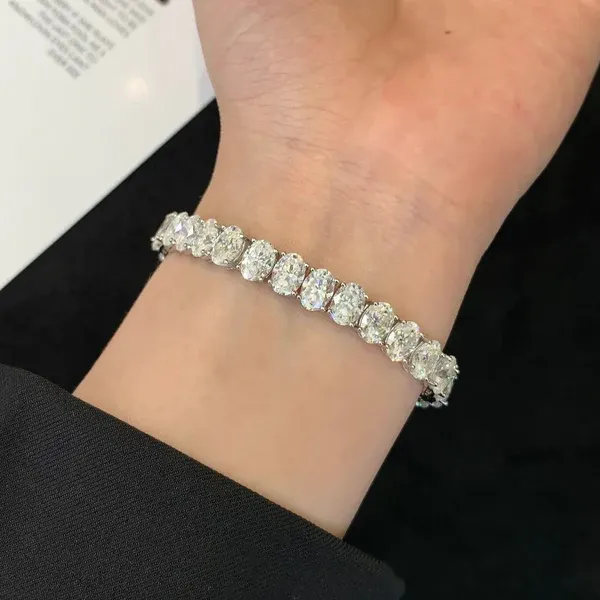
A lab grown diamond tennis bracelet has become a popular choice among jewelry buyers who want the beauty of diamonds while paying closer attention to value and sourcing. While traditional diamond bracelets have been a staple in fine jewelry for decades, lab-grown alternatives are changing the way people shop for diamond accessories. Both options offer brilliance and durability, but there are important differences that can influence your buying decision.
Whether you're purchasing jewelry for yourself or searching for a meaningful gift, understanding how these two types of diamond bracelets compare can help you make a more informed choice.
What Is a Tennis Bracelet?
A tennis bracelet is a flexible bracelet featuring a continuous row of diamonds or gemstones connected by a precious metal chain. The design became widely recognized after professional tennis player Chris Evert famously lost her diamond bracelet during a match and requested a pause in play to find it.
Today, tennis bracelets remain one of the most sought-after jewelry pieces because they complement both casual and formal outfits. They are available in different carat weights, metal types, and diamond options, including natural and lab-created diamonds.
Understanding Lab-Grown Diamonds
Lab-grown diamonds are real diamonds produced in controlled laboratory environments. They have the same chemical composition, crystal structure, and physical properties as diamonds formed underground.
Advanced technology recreates the natural diamond-growing process, resulting in stones that are visually and structurally identical to mined diamonds. Because of this, many buyers now consider lab grown diamond tennis bracelets a practical alternative to traditional diamond jewelry.
What Are Traditional Diamond Bracelets?
Traditional diamond bracelets feature diamonds that formed naturally beneath the Earth's surface over billions of years. These diamonds are extracted through mining operations and then cut, polished, and set into jewelry.
For many buyers, natural diamonds carry a sense of rarity due to their geological origin. This characteristic has historically contributed to their market value and demand.
Appearance Comparison
One of the most common questions buyers ask is whether they can see a difference between a lab-grown diamond and a natural diamond.
The answer is simple: in most cases, no.
A lab grown diamonds tennis bracelet offers the same visual appeal as a bracelet made with mined diamonds. Both display identical fire, brilliance, and sparkle under normal viewing conditions. Even trained professionals typically require specialized equipment to determine a diamond's origin.
When placed side by side, a high-quality lab-grown diamond bracelet and a natural diamond bracelet can appear virtually identical.
Quality and Durability
Diamonds are known for their exceptional hardness. Whether created in a laboratory or formed naturally underground, diamonds rank 10 on the Mohs hardness scale.
This means a lab created diamond tennis bracelet delivers the same durability and resistance to scratches as a traditional diamond bracelet. With proper care, either option can remain beautiful for many years.
Buyers often assume that lab-grown diamonds are less durable, but this is a misconception. Their physical characteristics are equivalent to those of natural diamonds.
Price Differences
One of the biggest factors influencing purchasing decisions is cost.
A comparable lab created diamonds tennis bracelet generally costs significantly less than a bracelet featuring natural diamonds of similar quality and carat weight. This price difference allows buyers to choose larger stones or higher-quality grades without exceeding their budget.
For example, someone shopping for a diamond bracelet may be able to purchase a larger carat size in a lab-grown option while spending the same amount they would on a smaller natural diamond bracelet.
This value advantage has contributed to the growing popularity of lab-grown diamond jewelry worldwide.
Sourcing Considerations
Many jewelry buyers pay attention to where their diamonds come from. Lab-grown diamonds are created in controlled facilities, providing a traceable production process.
Natural diamonds, on the other hand, pass through mining, sorting, cutting, and distribution stages before reaching retailers.
As a result, some consumers prefer lab created diamond tennis bracelets because they appreciate the transparency associated with laboratory production.
Variety and Design Options
Both natural and lab-grown diamond bracelets are available in a wide range of styles. Buyers can choose from classic round diamonds, oval cuts, emerald cuts, and other popular shapes.
Jewelry brands continue to expand their offerings, making it easier than ever to find a women's lab grown diamond tennis bracelet that suits different preferences and budgets.
From delicate everyday designs to statement pieces featuring larger diamonds, there are options for virtually every occasion.
Investment Considerations
Some buyers view diamond jewelry as a long-term asset. While natural diamonds have historically maintained a degree of resale value, market conditions can vary significantly.
A lab grown diamond tennis bracelet is typically purchased for its beauty, wearability, and value rather than as an investment vehicle.
If your primary goal is to enjoy a diamond bracelet without paying a premium for rarity, a lab-grown option may provide greater overall satisfaction.
Maintenance and Care
The care requirements for lab-grown and natural diamond bracelets are essentially the same.
To keep your bracelet looking its best:
- Clean it regularly using mild soap and warm water.
- Store it separately from other jewelry pieces.
- Have the settings inspected periodically.
- Avoid exposure to harsh chemicals.
Following these simple maintenance steps can help preserve the appearance of both natural and lab-grown diamond bracelets.
Choosing the Best Option for Your Lifestyle
The right bracelet depends on your personal priorities.
A traditional diamond bracelet may appeal to buyers who value natural rarity and geological history. A best lab grown diamond tennis bracelet may be the ideal choice for those seeking larger diamonds, strong value, and the same visual performance at a more accessible price point.
Consider factors such as:
- Budget
- Preferred diamond size
- Jewelry collection goals
- Personal values
- Everyday wear requirements
Evaluating these elements can make the selection process easier.
Why More Buyers Are Choosing Lab-Grown Diamond Tennis Bracelets
Consumer preferences have evolved over the past several years. Increasing awareness and broader availability have made affordable lab grown diamond tennis bracelet options accessible to a wider audience.
Many shoppers appreciate the opportunity to purchase high-quality diamonds while maximizing their budget. This shift has encouraged jewelry brands to introduce more designs, settings, and customization options.
As a result, lab-grown diamond bracelets are no longer considered niche products. They have become a mainstream choice among modern jewelry buyers.
Explore Collection of Lab Grown Diamond Tennis Bracelets
If you're looking to add a sophisticated diamond bracelet to your jewelry collection, now is the perfect time to explore collection of lab grown diamond tennis bracelet available in various carat weights, metal finishes, and diamond shapes. From classic designs to contemporary settings, there are options to suit every style preference and occasion.
Some buyers also seek unique craftsmanship inspired by vintage jewelry trends, including details influenced by brands such as Antiquecut, which have helped revive interest in distinctive diamond cuts and settings.
Final Thoughts
When comparing a lab-grown diamond tennis bracelet with a traditional diamond bracelet, the differences are less about appearance and more about personal priorities. Both options offer genuine diamonds, exceptional durability, and beautiful craftsmanship.
A natural diamond bracelet may appeal to those who value rarity and tradition. Meanwhile, a lab-grown alternative offers the same visual performance, excellent durability, and significant cost advantages.
For many buyers today, choosing a lab-grown diamond tennis bracelet provides an opportunity to enjoy impressive diamond jewelry while making the most of their budget. By understanding the strengths of both options, you can confidently select a bracelet that fits your style, preferences, and long-term goals.