Workstation Furniture for Modern Offices and Productive Workspaces
By Asadseoguy
6 Views
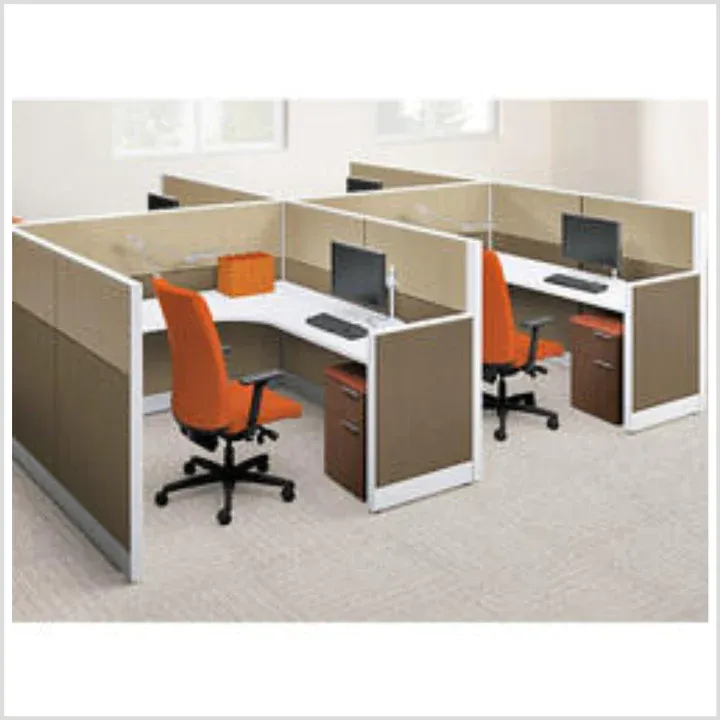
Workstation furniture has become one of the most important elements in modern office design because businesses now focus heavily on productivity, organization, comfort, and efficient workspace management. Modern workplaces are designed to support communication, employee wellbeing, flexibility, and professional presentation. A well-planned workstation environment helps employees remain focused, organized, and comfortable while improving the overall functionality of office interiors. Workstation furniture plays a major role in creating these productive office environments by combining practical design with modern aesthetics and efficient workspace organization.
The concept of workstation design has evolved significantly over the years. Traditional office layouts with isolated desks and rigid furniture arrangements are gradually being replaced by flexible workstation systems that support collaboration and adaptability. Modern workstation furniture is designed to accommodate changing workplace needs while maintaining comfort and professionalism. Businesses now understand that workspace design directly affects employee performance, workplace morale, and operational efficiency.
An organized workstation environment helps employees manage daily tasks more effectively. Cluttered desks and poorly arranged office layouts often reduce productivity because employees spend unnecessary time searching for documents, supplies, and equipment. Workstation furniture helps create structured office spaces where everything has a designated place. Organized storage systems, desk layouts, and workstation arrangements contribute to smoother workflow and improved time management.
Comfort is another essential factor in workstation design. Employees spend long hours sitting at desks, using computers, attending meetings, and completing tasks throughout the day. Poor workstation arrangements can cause physical discomfort, fatigue, and reduced concentration. Modern workstation furniture focuses on ergonomic principles that support proper posture, reduce strain, and improve workplace comfort. Comfortable employees are often more productive and satisfied with their work environments.
Modern office interiors increasingly prioritize flexibility because businesses frequently adapt to changing work styles and operational requirements. Workstation furniture is now designed to support different types of work environments, including collaborative spaces, open-plan offices, private workstations, and hybrid work models. Flexible workstation systems allow businesses to reorganize office layouts efficiently without sacrificing functionality or aesthetics.
Professional office presentation is another major advantage of organized workstation furniture. Clients, visitors, and employees often form impressions based on workplace appearance. Clean, modern, and organized workstations communicate professionalism, reliability, and attention to detail. Businesses that invest in quality workstation furniture often create stronger workplace identities and more positive office atmospheres.
Workstation desks are central components of office interiors because they serve as primary work surfaces for employees. Spacious desks provide room for computers, documents, office supplies, communication devices, and daily work activities. Modern workstation desks are designed to maximize efficiency while maintaining clean and organized layouts. Practical desk configurations improve workflow and help employees perform tasks more comfortably and efficiently.
Storage integration is another important aspect of workstation furniture. Office environments require organized storage solutions for paperwork, office equipment, technology accessories, and personal items. Workstation furniture often includes drawers, shelves, filing systems, and storage compartments that help maintain clutter-free workspaces. Organized storage improves accessibility and contributes to more efficient office management.
Collaborative workspaces have become increasingly common in modern offices because businesses value teamwork and communication. Workstation systems are now designed to encourage collaboration while still providing employees with individual work areas. Shared workstation layouts improve communication between team members and create more interactive office environments. Modern workstation furniture balances collaboration with privacy and concentration needs.
Technology integration has become a major requirement in workstation design. Employees rely heavily on computers, communication tools, charging devices, and digital systems to perform daily tasks. Modern workstation furniture supports these technological needs through cable management systems, organized desk layouts, and workstation designs that maintain clean and professional appearances while accommodating modern equipment.
Open-plan office layouts remain popular because they promote communication and flexibility. However, open workspaces also require careful planning to avoid distractions and maintain productivity. Workstation furniture helps structure open office environments by creating organized work areas that support both teamwork and focused work. Efficient workstation arrangements improve space utilization while preserving comfort and accessibility.
Employee wellbeing continues to influence office furniture trends. Businesses increasingly recognize the relationship between comfortable work environments and employee performance. Workstation furniture designed with ergonomic support helps reduce physical strain and improves workplace satisfaction. Adjustable seating, organized desk heights, and comfortable workstation arrangements contribute to healthier office environments and better employee experiences.
Minimalist office design has become highly influential in contemporary workplaces. Modern workstation furniture often features clean lines, simple layouts, and uncluttered surfaces that create calm and professional interiors. Minimalist workstation arrangements improve visual organization and help employees maintain focus throughout the workday. Neutral color palettes and practical furniture designs contribute to balanced and visually appealing office spaces.
Small office spaces benefit significantly from efficient workstation furniture planning. Compact workstation systems help businesses maximize available space without creating overcrowded environments. Multifunctional workstation furniture combines storage, desk space, and organizational features that improve functionality in limited areas. Efficient workstation layouts help smaller offices remain productive and visually organized.
Home offices have also increased in importance due to remote and hybrid work trends. Many professionals now require dedicated workspaces within their homes that support productivity and organization. Workstation furniture designed for home offices helps create professional environments that separate work activities from personal living spaces. Organized home workstation setups improve concentration and support efficient remote work routines.
Meeting areas and collaborative workspaces also rely on effective workstation planning. Businesses require flexible office layouts that support presentations, brainstorming sessions, and team discussions. Workstation furniture helps create adaptable office environments where employees can transition easily between individual work and group collaboration. Flexible workstation systems improve workplace functionality and support modern business operations.
Office aesthetics play an important role in shaping workplace atmosphere and company culture. Well-designed workstation furniture contributes to organized and visually attractive office interiors that improve employee morale and create positive impressions for visitors. Businesses that maintain professional office environments often experience stronger workplace engagement and improved communication among employees.
Durability is another essential consideration when selecting workstation furniture. Office furniture experiences frequent daily use and must remain functional over long periods. High-quality workstation systems provide long-term reliability and maintain professional appearance despite continuous use. Durable furniture helps businesses reduce maintenance concerns while supporting efficient workplace operations.
Workspace organization directly influences productivity and operational efficiency. Employees working in organized environments can locate materials quickly, manage tasks more effectively, and maintain better concentration. Workstation furniture supports structured office environments that simplify workflow and reduce unnecessary interruptions. Organized office spaces contribute to smoother communication and improved time management throughout the workplace.
Modern workstation furniture increasingly supports multifunctionality and adaptability. Businesses require office furniture that can adjust to changing employee needs, office expansions, and operational changes. Modular workstation systems provide flexibility by allowing businesses to reconfigure office layouts without major disruptions. Adaptable workstation furniture improves long-term office efficiency and supports evolving workplace demands.
Reception areas and customer-facing office spaces also benefit from organized workstation furniture. Reception desks and front-office workstations help businesses maintain professional presentation while supporting communication and administrative tasks. Organized reception workstations create welcoming environments that leave positive first impressions on clients and visitors.
Privacy remains an important consideration in workstation design, especially in open office layouts. Employees often require focused work environments where they can concentrate without excessive distractions. Modern workstation furniture includes layouts and organizational features that help create balanced workspaces supporting both collaboration and privacy.
Lighting and workstation placement significantly affect office comfort and productivity. Properly arranged workstation furniture improves natural light distribution and creates more comfortable work environments. Organized office layouts support better movement throughout the workspace while contributing to balanced and efficient office interiors.
Sustainability has also become a growing priority in office furniture design. Businesses increasingly seek environmentally responsible workstation solutions that support sustainable workplace practices. Durable materials, efficient manufacturing processes, and long-lasting furniture designs contribute to more sustainable office environments. Modern workstation furniture aligns with these trends by focusing on practicality and long-term functionality.
Executive offices and management workspaces require workstation furniture that balances professionalism, organization, and visual appeal. Executive workstation setups often include larger desks, integrated storage systems, and meeting space arrangements that support leadership responsibilities. Organized executive workstations contribute to efficient decision-making and professional workplace presentation.
Employee collaboration and communication continue shaping office furniture trends. Businesses seek workstation layouts that encourage interaction while still maintaining organized individual workspaces. Collaborative workstation systems improve teamwork and help businesses create more connected office environments that support productivity and innovation.
The rise of digital workplaces has transformed workstation requirements significantly. Employees now use multiple devices, communication systems, and digital platforms throughout the workday. Modern workstation furniture must support these technological demands while maintaining organized and uncluttered office layouts. Efficient workstation planning helps businesses integrate technology smoothly into everyday operations.
Office flexibility remains one of the most important priorities in modern workplace planning. Businesses must frequently adapt office spaces to accommodate changing employee numbers, hybrid work schedules, and operational goals. Workstation furniture designed for flexibility helps organizations respond quickly to these changes while maintaining efficiency and professional presentation.
Professional office interiors influence employee confidence, workplace culture, and business identity. Organized workstation environments create more positive experiences for employees while improving overall office atmosphere. Businesses that invest in quality workstation furniture often strengthen their professional image and create more productive work environments.
Workspace ergonomics continue playing a critical role in employee wellbeing and performance. Proper workstation arrangements reduce fatigue, improve posture, and support healthier work habits. Ergonomic workstation furniture helps employees remain comfortable during long working hours while improving concentration and efficiency.
Conference rooms and shared office areas also benefit from efficient workstation planning. Organized layouts and practical furniture arrangements improve communication during meetings and presentations. Workstation furniture designed for collaboration supports smoother interaction between employees, managers, and clients.
Modern office trends increasingly emphasize clean and organized interiors that support both functionality and aesthetics. Workstation furniture reflects these trends through practical designs, integrated storage solutions, and balanced office layouts. Businesses value workstation systems that contribute to professional appearance while improving operational efficiency.
The future of workstation furniture will continue focusing on flexibility, technology integration, comfort, and sustainability. Businesses increasingly recognize the importance of office environments in supporting employee wellbeing and productivity. Workstation furniture will remain essential in creating adaptable and efficient office spaces that support evolving workplace needs.
Professional workstation setups are now viewed as strategic investments rather than simple office necessities. Organized and comfortable work environments improve employee satisfaction, strengthen communication, and contribute to overall business success. Workstation furniture supports these goals by helping businesses create productive and visually appealing office interiors.
As workplaces continue evolving, workstation furniture will remain one of the most important components of office planning and workspace organization. Businesses seeking efficient, professional, and adaptable office environments rely on workstation systems to support productivity, collaboration, and long-term workplace functionality.
Well-designed workstation environments improve workflow, encourage teamwork, and create more organized office spaces that support daily operations effectively. Workstation furniture continues to evolve alongside workplace trends, offering practical and modern solutions for businesses of all sizes.
The growing importance of employee wellbeing, office flexibility, and workplace efficiency ensures that workstation furniture will continue playing a central role in modern office design. Businesses that invest in organized and comfortable workstation environments often experience stronger operational performance, improved employee engagement, and more professional workplace presentation.
Workstation furniture remains one of the most valuable investments for businesses aiming to create productive, organized, and modern office interiors. Through efficient layouts, ergonomic support, integrated storage, and adaptable workspace solutions, workstation furniture helps businesses build professional environments that support both employee needs and organizational success.