How to Evaluate Diamond Quality with Confidence
By Antiqucut
5 Views
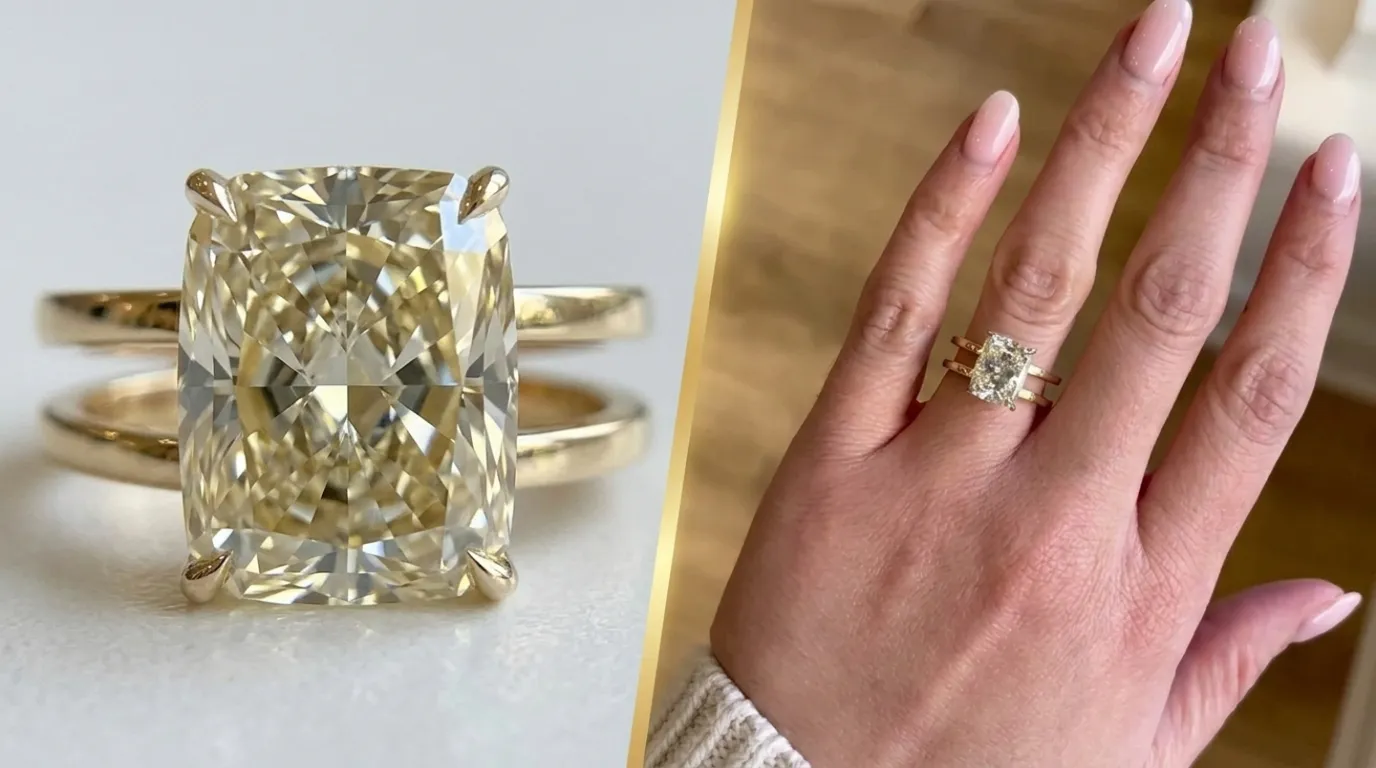
Choosing a diamond can feel overwhelming, especially with so many options available today. Understanding what determines diamond quality helps buyers make informed decisions and select a stone that matches their expectations and budget. Whether you are purchasing an engagement ring, a special gift, or a personal piece of jewelry, learning the fundamentals of diamond evaluation can help you feel more confident throughout the process.
As interest in the lab grown cushion cut diamond ring continues to grow, many shoppers are looking for reliable ways to assess quality before making a purchase. By focusing on key characteristics and understanding what to look for, you can identify a diamond that offers excellent appearance and value.
Understanding the Four Cs of Diamond Quality
The foundation of diamond grading is based on four important factors known as the Four Cs:
Cut
Cut refers to how well a diamond has been shaped and faceted. It directly impacts how light interacts with the stone. A well-cut diamond reflects light effectively and creates a bright appearance.
Even if a diamond has excellent color and clarity, a poor cut can reduce its visual appeal. When evaluating a diamond, always pay close attention to the quality of the cut.
Color
Diamond color is graded on a scale that ranges from colorless to noticeable color tones. Diamonds closer to the colorless end of the scale are generally considered more valuable.
Many buyers choose diamonds within the near-colorless range because they often provide an excellent balance between appearance and price.
Clarity
Clarity measures the presence of internal and external characteristics formed during a diamond's creation. These characteristics are often difficult to see without magnification.
A higher clarity grade indicates fewer visible imperfections. However, many diamonds with minor inclusions still appear clean to the naked eye and can offer outstanding value.
Carat Weight
Carat weight refers to the size of the diamond. Larger diamonds are generally rarer, but carat weight alone does not determine overall quality.
A smaller diamond with excellent cut, color, and clarity can often appear more attractive than a larger stone with lower grades.
Why Diamond Certification Matters
One of the most effective ways to evaluate diamond quality is by reviewing an independent grading report. Certification provides detailed information about a diamond's characteristics and helps verify the accuracy of quality claims.
A grading report typically includes:
- Carat weight
- Cut grade
- Color grade
- Clarity grade
- Measurements
- Symmetry details
- Polish information
Having access to certified information allows buyers to compare diamonds objectively and make informed decisions. When exploring options, many individuals take time to browse collections and compare designs that align with their personal taste. You can also browse more lab grown cushion cut diamond ring to discover styles that match different preferences and inspirations.
Evaluating Shape and Appearance
Diamond shape influences both visual appeal and perceived size. Different shapes interact with light in unique ways and create distinct looks.
The lab grown diamond rings cushion cut category remains popular because of its balanced appearance and soft corners. This shape combines classic influences with a distinctive outline that appeals to many buyers.
When assessing a cushion cut diamond, pay attention to:
- Symmetry
- Facet arrangement
- Length-to-width ratio
- Overall visual balance
A well-proportioned cushion cut often displays a pleasing appearance and consistent light performance.
Examining Diamond Proportions
Beyond the Four Cs, proportions play an important role in diamond quality.
Important measurements include:
Table Percentage
The table is the flat top surface of a diamond. Proper table proportions contribute to balanced light reflection.
Depth Percentage
Depth refers to the height of the diamond from top to bottom. Excessive depth or shallow proportions can affect appearance and brightness.
Girdle Thickness
The girdle forms the outer edge of the diamond. Proper girdle thickness helps maintain durability without adding unnecessary weight.
Reviewing these measurements can provide valuable insight into a diamond's overall quality.
Comparing Diamonds Under Different Lighting Conditions
A diamond can appear different depending on the lighting environment. Viewing a diamond under multiple lighting conditions provides a more complete understanding of its appearance.
Consider examining diamonds under:
- Natural daylight
- Indoor lighting
- Spotlight conditions
- Soft ambient lighting
This approach helps reveal how the diamond performs in everyday situations rather than relying on a single lighting source.
Understanding Lab-Grown Diamond Quality
Lab-grown diamonds possess the same physical and optical properties as mined diamonds. They are created using advanced technology that replicates the natural diamond-growing process.
When evaluating lab grown cushion cut diamond rings, the same grading standards apply. Buyers should still examine:
- Cut quality
- Color grade
- Clarity grade
- Carat weight
- Certification
Focusing on these factors ensures a fair comparison between available options.
How Clarity Affects Visual Appearance
Many shoppers assume that the highest clarity grade is always necessary. In reality, clarity should be evaluated alongside actual visibility.
Some inclusions are microscopic and cannot be seen without magnification. Choosing a diamond that appears clean to the naked eye can often provide better overall value.
When reviewing clarity:
- Look for visible inclusions
- Assess their location
- Consider their impact on appearance
A practical approach often leads to a more balanced purchase decision.
Selecting the Right Color Grade
Color preferences vary among buyers. While colorless diamonds remain highly desirable, many near-colorless options offer excellent visual results at a more accessible price point.
The ideal color grade often depends on:
- Personal preference
- Metal type
- Diamond size
- Budget considerations
Evaluating diamonds side by side can help reveal subtle color differences and support better decision-making.
Balancing Quality and Budget
Purchasing a diamond does not always require selecting the highest grade in every category. Understanding where quality has the greatest visual impact allows buyers to prioritize effectively.
Many experienced shoppers focus on:
- Excellent cut quality
- Strong visual clarity
- Attractive color range
- Appropriate carat size
This balanced strategy often results in a diamond that offers both beauty and value.
Checking Diamond Symmetry and Polish
Symmetry and polish contribute to the overall finish of a diamond.
Symmetry
Symmetry evaluates how accurately the facets align with one another. Better symmetry can enhance a diamond's appearance and consistency.
Polish
Polish measures the smoothness of the diamond's surface. High-quality polishing helps maximize light reflection and overall presentation.
Although these characteristics may seem minor, they contribute to the finished look of the diamond.
Evaluating Diamond Value Beyond Size
Many first-time buyers focus heavily on carat weight. However, true diamond value involves a combination of multiple factors.
Consider:
- Overall appearance
- Light performance
- Certification quality
- Proportions
- Shape preference
A carefully selected diamond can provide greater satisfaction than simply choosing the largest available stone.
Shopping with a Trusted Source
Working with a reputable jeweler provides additional confidence throughout the buying process. Reliable retailers offer transparent grading information, certification details, and expert guidance.
At Antiquecut, buyers can explore a carefully curated selection of diamonds and jewelry while learning more about quality standards and purchasing considerations.
Common Mistakes to Avoid When Evaluating Diamonds
Many buyers make decisions based on a single factor rather than considering overall quality.
Common mistakes include:
- Prioritizing size over cut quality
- Ignoring certification reports
- Overpaying for unnecessary clarity grades
- Failing to compare multiple diamonds
- Making decisions without viewing grading details
Avoiding these mistakes can lead to a more satisfying purchase experience.
Understanding Long-Term Satisfaction
A diamond purchase often represents an important milestone. Taking the time to evaluate quality carefully helps ensure long-term satisfaction.
Rather than focusing solely on marketing terms or trends, buyers should assess objective grading information and visual performance. This approach leads to better decisions and greater confidence throughout the buying journey.
Conclusion
Learning how to evaluate diamond quality with confidence starts with understanding the Four Cs, reviewing certification reports, examining proportions, and assessing overall appearance. Whether you are considering a traditional diamond or a lab grown cushion cut diamond ring, focusing on verified quality factors helps you make an informed choice. By comparing options carefully and prioritizing the characteristics that matter most, you can select a diamond that delivers lasting value, visual appeal, and confidence in your purchase decision.