How Ecommerce Website Design Turns Visitors Into Paying Customers
By Abdus Salam
2 Views
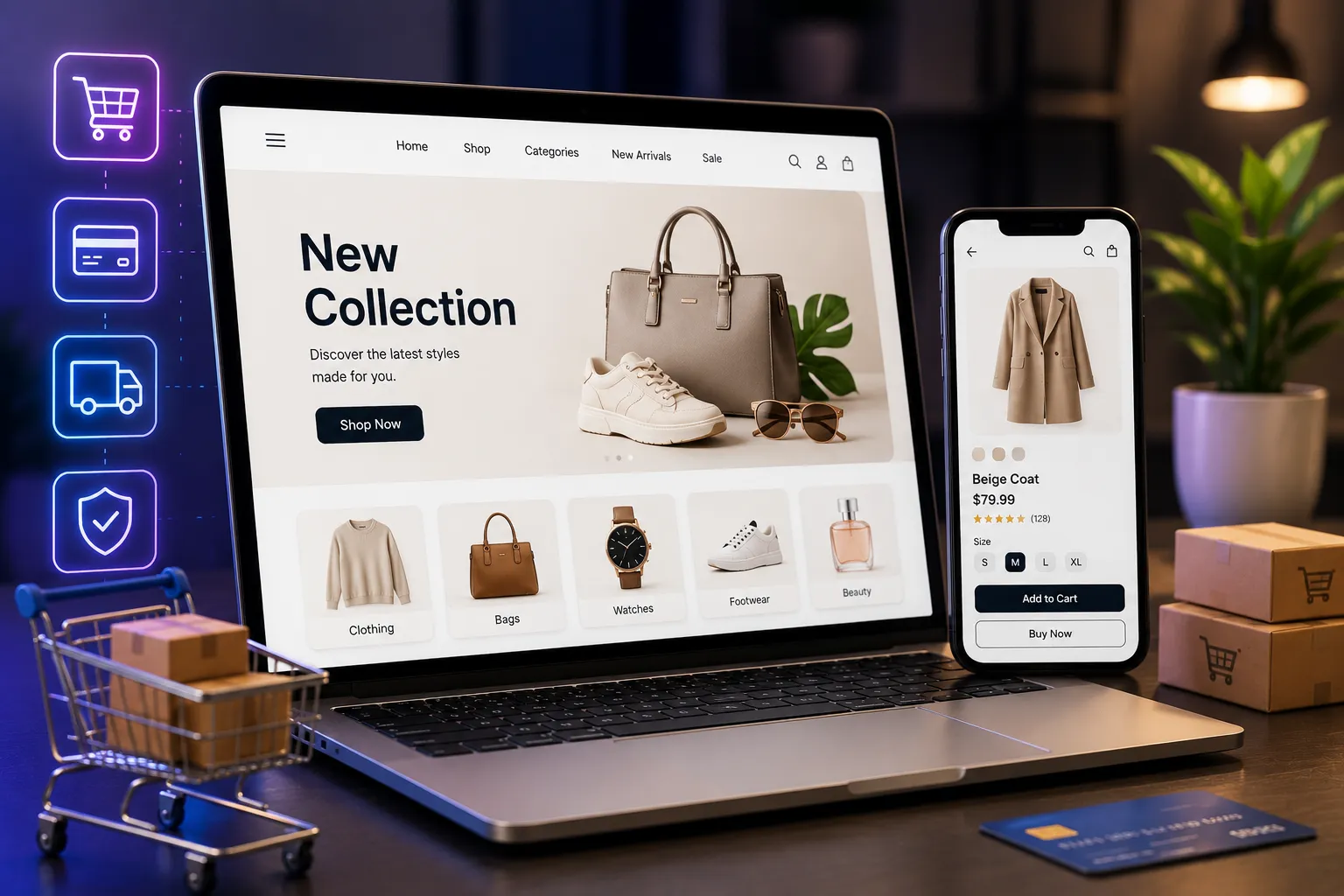
Getting visitors to your online store is only half the battle. The real challenge begins when they land on your website. If the experience feels confusing, slow, or untrustworthy, many will leave within seconds.
That’s why Ecommerce Website Design matters so much. Great products alone are not always enough. Customers also need a smooth, enjoyable buying journey that feels simple and secure.
A well-designed ecommerce site quietly guides visitors towards a purchase. It builds confidence, reduces hesitation, and makes shopping feel easy.
That’s exactly how browsers become buyers.
Why Many Online Stores Lose Sales
Some online stores attract traffic but struggle to convert it into revenue.
Often, the issue is not pricing or product quality. It’s the website experience.
Common reasons visitors leave include:
- Slow loading pages
- Cluttered layouts
- Poor mobile usability
- Confusing menus
- Weak product pages
- Difficult checkout
- Low trust signals
Even small frustrations can reduce sales significantly.
That’s why many growing brands trust Brain Gig LLC when they need stores built for performance, conversions, and long-term growth.
First Impressions Shape Buying Decisions
Visitors judge your store quickly.
When someone lands on your homepage, they often ask:
- Does this store look trustworthy?
- Is it easy to use?
- Can I find products fast?
- Does this feel professional?
- Should I keep browsing?
Those reactions happen almost instantly.
Strong Ecommerce Website Design creates a clean and professional first impression that encourages visitors to stay longer.
That extra time often leads to extra sales.
Design Should Make Shopping Effortless
Good design is not only about appearance.
It should make the buying process feel natural and stress-free.
That means:
- Clear navigation
- Fast product discovery
- Strong search tools
- Easy filtering
- Readable content
- Clear pricing
- Simple cart access
When shopping feels effortless, conversion rates usually rise.
That’s why many businesses invest in professional Ecommerce Website Development to create stores that look sharp and function smoothly.
Because beautiful stores matter, but usable stores sell.
Mobile Experience Can Make or Break Sales
A large share of ecommerce traffic now comes from phones.
Yet many stores still frustrate mobile users with:
- Tiny text
- Hard-to-tap buttons
- Slow product pages
- Broken layouts
- Difficult checkout forms
That friction quietly kills revenue.
Modern Ecommerce Website Design must prioritise mobile users from the beginning. Browsing, adding to cart, and completing checkout should feel smooth on every device.
If mobile shopping feels annoying, customers leave fast.
Product Pages Must Build Confidence
Your product page does the heavy lifting.
It should answer doubts and make buying easier.
Strong product pages often include:
- High-quality images
- Clear descriptions
- Honest pricing
- Reviews
- Delivery details
- Return policy information
- Visible add-to-cart buttons
People need reassurance before spending money.
The more confidence they feel, the more likely they are to buy.
Checkout Simplicity Increases Conversions
Many stores lose customers at the final stage.
Why? Because checkout feels painful.
Common checkout mistakes include:
- Too many form fields
- Forced account creation
- Hidden fees
- Slow loading pages
- Limited payment methods
- Complicated steps
Good Ecommerce Website Design removes unnecessary barriers.
A simple checkout often means more completed orders.
Sometimes one small checkout improvement can create a big revenue jump.
Speed Matters More Than You Think
Online shoppers are impatient. Truthfully, most of us are.
If your store loads slowly, visitors often leave before exploring products.
Speed affects:
- User experience
- Search rankings
- Conversion rate
- Bounce rate
- Customer trust
Fast stores feel more reliable and enjoyable to use.
That’s why performance should never be treated as a secondary issue.
Trust Signals Encourage Purchases
Customers hesitate when buying from unfamiliar websites.
Strong trust signals reduce that hesitation.
Examples include:
- Secure payment badges
- Customer reviews
- Clear returns policy
- Contact information
- FAQs
- Professional branding
- Real business details
These details may seem minor, but together they create confidence.
And confidence often leads to sales.
SEO Helps Bring Better Traffic
Great design needs visitors too.
Search engines often reward stores that are:
- Fast
- Mobile friendly
- Well structured
- Helpful
- Secure
- Easy to navigate
This means design and SEO often work together.
Strong Ecommerce Website Design supports better rankings by improving technical quality and user experience.
That can create steady traffic without relying only on paid ads.
Smart Brands Use Data to Improve
Successful stores rarely stay the same.
They review metrics such as:
- Conversion rate
- Bounce rate
- Cart abandonment
- Product page views
- Device behaviour
- Repeat customer rate
- Traffic sources
This reveals where users struggle and where opportunities exist.
Then improvements are made continuously.
That mindset often separates average stores from thriving ones.
Common Ecommerce Design Mistakes
Even good businesses make avoidable errors.
Too Much Clutter
Crowded pages overwhelm shoppers.
Weak Product Images
Images strongly influence buying decisions.
Hidden Costs
Unexpected charges damage trust quickly.
Poor Mobile Experience
Still one of the biggest reasons for lost sales.
No Clear Return Policy
Uncertainty often stops purchases.
Signs Your Store Needs Better Design
You may need improvements if:
- Visitors come but don’t buy
- Cart abandonment is high
- Mobile users bounce quickly
- Pages feel outdated
- Customers ask basic questions often
- Competitors look stronger online
- Repeat sales are weak
If several sound familiar, your design may be costing revenue.
What Smart Store Owners Understand
Successful ecommerce brands know their website is not just a digital catalogue.
It’s a sales system.
It can build trust, increase average order value, improve customer loyalty, and grow revenue every day.
That’s why they invest in experience, not just appearance.
Conclusion
Traffic alone does not build an online business. Conversions do.
That’s the true power of Ecommerce Website Design. It turns visitors into paying customers by creating trust, removing friction, and making shopping feel easy.
If your store gets attention but struggles to sell, the issue may not be marketing. It may be the website experience itself.
Ready to create a store that truly converts? This could be the perfect moment to start.
FAQs
What is Ecommerce Website Design?
It is the planning and design of online stores to improve shopping experience and increase sales.
Why does design matter for ecommerce?
Good design builds trust, improves usability, and helps more visitors buy.
How does website design increase conversions?
By reducing confusion, improving confidence, and making checkout simpler.
Is mobile ecommerce design important?
Absolutely. Many customers shop using mobile devices.
Does ecommerce design affect SEO?
Yes. Speed, structure, and mobile usability all support search rankings.
How often should an ecommerce website be improved?
Regular updates are ideal to keep performance, trust, and conversions strong.