Common Embroidered Patch Problems and How to Fix Them Fast
By Tom Cruise
7 Views
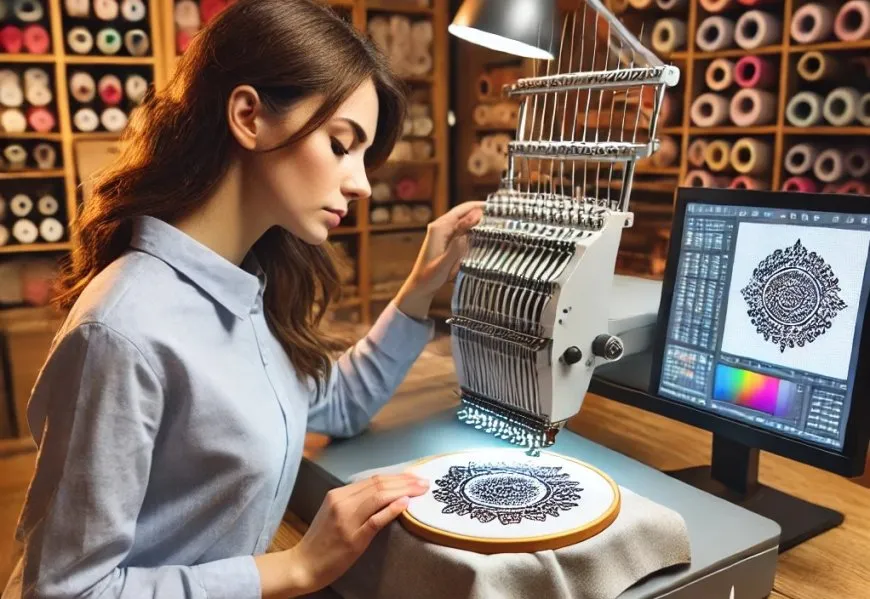
You spend twenty minutes digitizing a beautiful design. You carefully hoop your fabric. You watch the machine stitch everything out perfectly. Then you cut the patch from the backing, and disaster strikes. The edges curl up like a stale potato chip. The fabric frays before you even sew it onto a jacket. The whole thing looks cheap and homemade, not professional and polished. I have been there more times than I want to admit. And here is the good news. Almost every single one of these issues has a simple, fast fix. You do not need expensive equipment. You do not need years of experience. You just need to know what causes each problem and how to stop it. Let me walk you through the most frustrating Common Embroidered Patch Problems and show you exactly how to solve them today.
I am going to keep this practical. No theory. No fluff. Just real solutions you can apply to your very next patch.
Problem 1: Curling Edges That Ruin Everything
Nothing kills a patch faster than edges that curl inward. You sew a beautiful design, but the patch looks like a bowl instead of a flat badge. This happens because your satin stitch border pulls the fabric too tight. The density of the border stitches compresses the fabric and stabilizer, causing the whole patch to shrink slightly along the edges. When you cut it out, the tension releases unevenly and the edge curls up toward the stitches.
Here is the fix. Stop using a standard satin stitch for your patch border. Switch to a bean stitch or a triple stitch border instead. A bean stitch goes forward, back, and forward again over the same needle holes. This creates a thicker, more stable edge that does not pull as aggressively. Set your stitch length to 2.5 millimeters and use three passes. The border ends up slightly wider but significantly flatter.
Another fast fix involves your stabilizer. Use two layers of cutaway stabilizer instead of one. The extra layer resists the pull of the satin stitch. I also recommend waiting at least ten minutes after stitching before you cut the patch out. Give the stabilizer time to relax and settle. Rushing to cut only makes the curling worse.
Problem 2: Fraying Fabric Around the Border
You sew a perfect patch. You cut it out carefully. Then you look at the back and see loose threads sticking out everywhere. After two washes, the fabric around the border completely unravels. This drives me crazy because it makes all your hard work look sloppy.
The culprit is simple. You did not seal the edge properly. Your satin stitch border needs enough density to cover the raw fabric edge completely. If the stitches have even tiny gaps, the fabric will fray right through them. Most beginners set their satin stitch width too narrow. They worry about using too much thread. That worry costs them.
Fix this by increasing your satin stitch width to at least 4 millimeters for patch borders. Yes, that uses more thread. But it also completely covers the cut edge. No fabric shows through. No fraying happens. Also, change your underlay. A light underlay does nothing for a patch border. Use a heavy, dense underlay with 1 millimeter spacing. This gives the top satin stitches something solid to sit on.
If you already cut a fraying patch, you can still save it. Run a thin line of fray check liquid along the back edge of the stitches. Let it dry completely. Then carefully trim any loose threads with small, sharp scissors. This works as a quick rescue, but do not rely on it. Fix your settings so the next patch comes out perfect from the start.
Problem 3: Puckered Fabric Inside the Design
You look at your finished patch and see little wrinkles and ripples inside the stitched area. The design itself looks distorted. This happens when your fabric shifts during stitching. The needle pushes the fabric down. The feed dogs pull it forward. Between those two forces, lightweight fabrics easily stretch out of shape.
The fast fix involves changing your hooping technique. Most people hoop their patch fabric too loosely. They think a gentle hold is enough. It is not. You need the fabric and stabilizer to feel like a drumhead. Tight. Smooth. No give at all. Tap the center of the hooped area with your finger. It should make a low sound, not a loose floppy sound.
Switch to a fusible stabilizer for patches. Iron it directly onto the back of your fabric before hooping. The adhesive prevents the fabric layers from sliding against each other. Use a 505 temporary spray adhesive as well. Spray a light coat on the stabilizer before you press it to the fabric. This double adhesion method almost completely eliminates puckering.
Also check your thread tension. Too much top tension pulls the fabric upward and creates wrinkles. Lower your top tension by one full number and stitch a test patch. Keep lowering until the puckering disappears. Write that number down for future patches.
Problem 4: Gaps Between the Border and Fill
You stitch your patch fill. Then you stitch the satin border around it. But when you look closely, you see a visible gap. The fabric peeks through between the fill stitches and the border stitches. This looks unprofessional and gives fraying a place to start.
This problem comes from poor digitizing or incorrect pull compensation settings. When your machine stitches, the thread pulls the fabric slightly inward. A fill stitch pulls in one direction. A border stitch pulls in another direction. Without compensation, a gap appears.
Here is how you fix it without re-digitizing the whole file. Increase the overlap between your fill and border. Most designs have a 0.5 millimeter overlap by default. Change that to 1 millimeter in your software. The border stitches will sit slightly on top of the fill stitches instead of right next to them. No gap remains.
If you cannot edit the file, adjust your machine settings. Increase your pull compensation to 0.4 millimeters. This tells the machine to make each stitch slightly wider than the design specifies. The extra width fills that annoying gap. Test this on a scrap piece first. Too much compensation creates a bulky, overlapping mess. Start small and increase slowly.
Problem 5: Stiff, Cardboard-Feeling Patches
Your patch looks great, but it feels terrible. Stiff as cardboard. You cannot sew it onto anything flexible because the patch refuses to bend. Washing it makes the stiffness worse. This happens when you use too much stabilizer or too high density stitching.
The fix is lighter than you think. Use a water soluble stabilizer on top of your fabric instead of a heavy cutaway underneath. The water soluble layer washes away completely, leaving only your stitches and the fabric. The patch becomes soft and flexible while still holding its shape.
Reduce your stitch density by fifteen percent for patch designs. Most default densities come from factory settings designed for heavy industrial use. Home machines do not need that much thread. A slightly less dense patch moves better, feels better, and lasts just as long.
Also switch from cotton or polyester fabric to a felt base. Felt does not fray and requires less stabilizer than woven fabrics. Your patch ends up softer and more comfortable against skin.
Problem 6: White Backing Showing Through
You chose a dark fabric. You stitched a dark design. But when you hold the patch up to light, you see white stabilizer peeking through the stitches. This ruins the whole look. It screams homemade in the worst way.
The fast fix involves matching your stabilizer color to your fabric. Use black stabilizer under dark fabrics. Use navy stabilizer under blue fabrics. Do not rely on white tearaway for everything. That lazy habit creates the exact problem you are trying to avoid.
Increase your top thread tension slightly when stitching dark thread over dark fabric. Higher tension pulls the top thread deeper into the fabric, hiding any light colored backing underneath. Raise your tension by 0.5 and test. If you still see white, go up another 0.5.
Conclusion: Fix Patches Fast and Stop Wasting Time
You now have solutions for the most common patch problems. Curling edges get a bean stitch border and double stabilizer. Fraying fabric needs a wider satin stitch and better underlay. Puckering disappears with tighter hooping and fusible stabilizer. Gaps close with increased overlap or pull compensation. Stiff patches soften with water soluble toppers and lower density. Visible backing vanishes with colored stabilizer and higher tension.
Pick one problem that frustrates you the most. Apply the fix to your very next patch. I promise you will see an immediate difference. Do not try to fix everything at once. Change one variable at a time. Test. Observe. Adjust. That is how you get consistent, professional results every single time.
Now go make some patches that actually look good. Your machine is waiting.