Biodegradable Gloves and Waste-to-Energy: How the Process Works
By sulfur-id
2 Views
Why Waste Management Matters in Disposable PPE
Disposable gloves: mitrasaruta are essential across healthcare, food service, laboratories, manufacturing, and cleaning industries. They protect workers, maintain hygiene standards, and reduce contamination risks. But there’s a tradeoff: traditional disposable gloves create a large volume of waste that often ends up in landfills or incinerators.
As sustainability becomes a bigger priority, businesses are rethinking what happens after glove disposal. This has led to growing interest in Biodegradable Gloves and their role in waste reduction strategies, including waste-to-energy systems.
Instead of viewing used gloves as a waste problem alone, companies are beginning to see them as part of a circular waste management solution. When paired with the right disposal infrastructure, biodegradable materials can reduce landfill burden while contributing to energy recovery.
What Are Biodegradable Gloves?
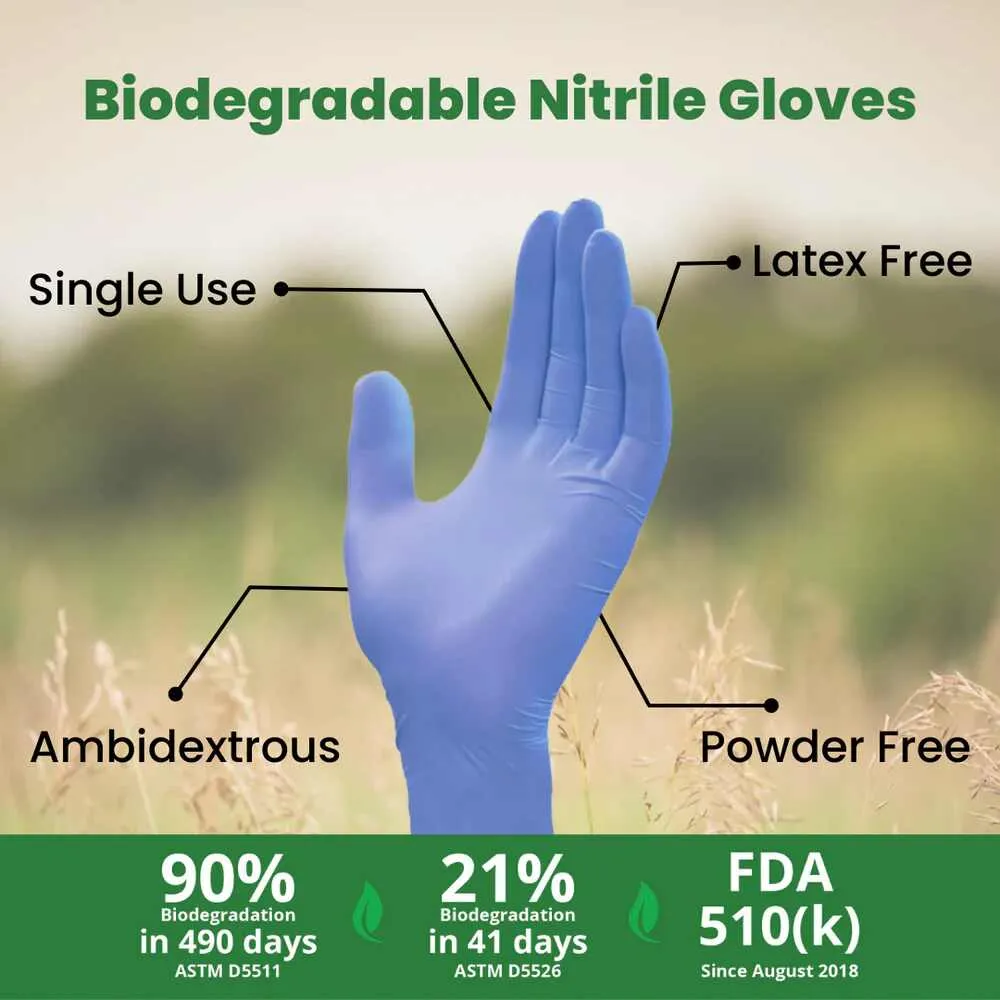
Biodegradable Gloves are disposable gloves designed to break down faster than conventional gloves when exposed to the right environmental conditions.
Traditional nitrile or latex gloves can remain in landfills for decades. In contrast, biodegradable alternatives are typically manufactured with additives or material innovations that allow microorganisms to break down the glove material more efficiently after disposal.
These gloves are often engineered to maintain the same protective qualities users expect, including:
- Chemical resistance
- Tear resistance
- Comfort and flexibility
- Barrier protection against contaminants
This means businesses do not necessarily have to sacrifice safety or performance to improve sustainability goals.
For industries that rely heavily on single-use protective equipment, switching to Biodegradable Gloves offers a practical first step toward lowering environmental impact.
The Challenge of Disposable Glove Waste
The increase in PPE usage over recent years has significantly accelerated waste generation worldwide. Hospitals, restaurants, beauty salons, and industrial facilities all contribute to millions of discarded gloves every day.
The main disposal challenges include:
Landfill Accumulation
Traditional gloves are made from synthetic polymers that degrade very slowly. This creates long-term landfill pressure and contributes to growing waste management costs.
Contamination Risks
Used gloves may be exposed to chemicals, biological materials, or food waste, limiting recycling options and making disposal more complicated.
Incineration Emissions
Standard waste incineration reduces waste volume but may produce emissions depending on the materials being burned and facility technology.
Because of these challenges, businesses are seeking smarter end-of-life solutions for disposable products.
How Waste-to-Energy Works
Waste-to-energy (WTE) is a process that converts waste materials into usable forms of energy, such as electricity, heat, or fuel.
Rather than sending waste directly to landfill, waste-to-energy facilities process it through controlled thermal or biological systems.
The general process works as follows:
1. Waste Collection and Sorting
Waste materials are collected from commercial, industrial, or municipal sources.
At this stage, waste is sorted to remove recyclable materials and separate streams that may require specialized handling.
For organizations using Biodegradable Gloves, proper waste segregation is still important. Gloves contaminated with hazardous materials may need separate disposal, while non-hazardous waste streams can often enter broader treatment systems.
2. Pre-Treatment and Processing
Waste is then prepared for energy conversion. This may involve:
- Shredding materials into smaller pieces
- Drying to reduce moisture content
- Compacting or blending waste streams for efficiency
Biodegradable materials may behave differently than conventional plastics during processing, which can support more efficient breakdown in certain systems.
3. Energy Conversion
Waste-to-energy facilities use several methods to generate power.
Thermal Conversion
This includes combustion, gasification, or pyrolysis.
Waste is heated under controlled conditions to produce:
- Steam
- Heat
- Syngas
- Electricity
Thermal conversion is one of the most common WTE methods for mixed waste streams.
Biological Conversion
Organic or biodegradable materials may undergo anaerobic digestion or other microbial processes.
Microorganisms break down biodegradable content, producing:
- Biogas
- Methane
- Compost-like byproducts
This is particularly relevant when biodegradable products are integrated into waste systems designed for organic material recovery.
4. Energy Recovery and Distribution
The generated energy is captured and distributed for practical use.
Recovered energy can power:
- Industrial operations
- District heating systems
- Electricity grids
This creates value from materials that would otherwise be discarded without benefit.
Why Biodegradable Gloves Support Waste-to-Energy Goals
Not all waste is equal in sustainability performance. The choice of material affects how products behave at end of life.
Biodegradable Gloves can complement waste-to-energy systems in several ways.
Reduced Long-Term Waste Burden
Because biodegradable materials are designed for faster decomposition, they can reduce long-term persistence in waste environments.
Even when gloves enter mixed waste streams, biodegradable technology may improve breakdown potential compared with conventional alternatives.
Better Alignment With Circular Economy Strategies
Organizations increasingly aim to reduce waste, recover resources, and improve lifecycle outcomes.
Using Biodegradable Gloves supports these objectives by addressing sustainability earlier in the product chain rather than relying solely on disposal methods.
Improved Brand and ESG Performance
Customers, investors, and regulators are paying closer attention to sustainability metrics.
Switching to environmentally conscious PPE solutions can help organizations strengthen:
- ESG reporting
- Sustainability commitments
- Waste reduction initiatives
This is especially valuable for businesses in healthcare, hospitality, food handling, and manufacturing sectors.
Practical Tips for Businesses Using Biodegradable Gloves
Adopting sustainable gloves works best when paired with smarter waste practices.
Here are a few practical steps:
Choose Quality Products
Not all biodegradable products perform equally. Select gloves from suppliers that prioritize both sustainability and protection standards.
Look for products that offer:
- Reliable certification or testing data
- Strong puncture resistance
- Comfortable fit for extended wear
- Train Staff on Disposal Practices
Employees should understand which waste streams are appropriate for glove disposal.
Clear labeling and training can reduce contamination and improve waste handling efficiency.
Work With Waste Management Partners
Consult waste providers to understand whether local infrastructure supports waste-to-energy or biodegradable waste treatment options.
Product innovation works best when matched with proper downstream systems.
The Future of Sustainable PPE
The demand for disposable gloves is unlikely to disappear. Hygiene, safety, and compliance remain essential across industries.
The real opportunity lies in making these necessary products more sustainable.
Biodegradable Gloves represent a practical innovation that helps organizations balance operational needs with environmental responsibility. When combined with waste-to-energy systems, they can contribute to a more efficient and less wasteful disposal pathway.
For businesses seeking better waste outcomes without compromising protection, biodegradable glove solutions offer a forward-looking option that aligns safety with sustainability.